





Key Takeaways
- Regular system inspections and tank pumping help prevent costly septic failures.
- Proper waste disposal and water conservation guard against clogs, overloads, and system wear.
- Recognizing environmental risks around your property can limit system interruptions and repair needs.
Table of Contents
- Common Septic System Issues
- Preventive Maintenance Strategies
- Proper Waste Disposal
- Water Conservation
- Landscaping and Septic Systems
- Recognizing Signs of Failure
- When to Call a Professional
- Conclusion
For homeowners in regions reliant on septic systems, understanding how to care for and maintain this critical infrastructure is essential for the well-being of both the property and the environment. Knowing about common issues and regular preventive measures can significantly reduce costly repairs and disruptions. If you’re looking for reliable septic tank draining Orlando FL, working with trusted professionals is one way to ensure your septic system receives the attention it deserves.
Septic systems, unlike municipal sewer connections, require ongoing vigilance from homeowners to function properly. From what goes down your drains to the landscaping above your system, many factors can influence its health and longevity. Staying proactive with your septic system helps protect your investment and the safety of local groundwater.
It’s not just about maintenance; proper use and timely recognition of warning signs can save you significant headaches. Many septic system failures result from avoidable mistakes, making education and routine care the best line of defense.
Common Septic System Issues
Several frequent problems can threaten the function of a septic system, often leading to inconvenient or even dangerous failures:
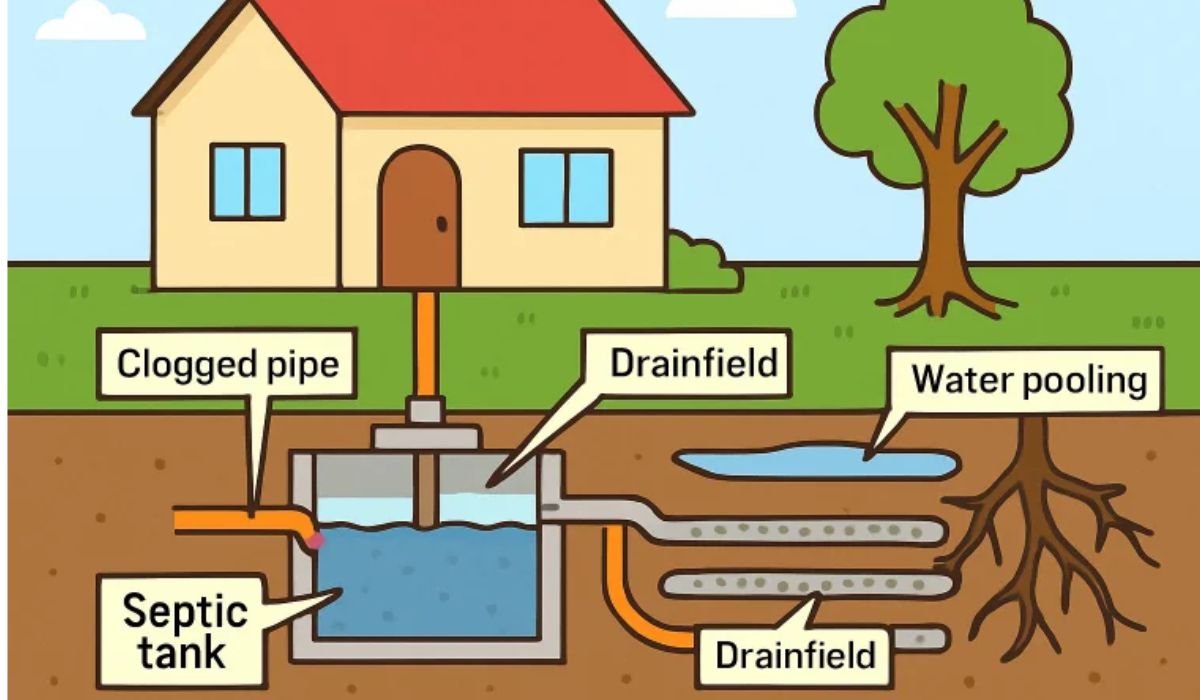
- Drainfield Saturation: Sometimes triggered by heavy rainfall or excessive water usage, a saturated drainfield can cause wastewater to surface in the yard or back up into the home. This not only presents health hazards but may also impact local waterways.
- Clogs and Blockages: Items that should not enter the system—such as grease, wipes, or hygiene products—can cause pipe obstructions. These clogs slow down drainage and may eventually result in raw sewage backup inside the house.
- Tree Root Intrusion: Trees and large shrubs planted too close to the septic tank or drainfield can send invasive roots into pipes and tanks, cracking lines, causing leaks, or obstructing flow.
Preventive Maintenance Strategies
Building a simple maintenance schedule around system inspection and tank pumping can keep your septic system running smoothly. According to the U.S. Environmental Protection Agency, most septic tanks should be professionally inspected every 1-3 years, and pumped every 3-5 years. Large households or homes with garbage disposals may require more frequent service. Keeping accurate records of maintenance makes it easier to plan your next appointment and avoid uncertainty.
Routine checks do more than clear out accumulated solids—they help diagnose early signs of leaks, blockages, and mechanical damage that could quickly escalate. Following recommended intervals for these services is one of the most effective ways to prevent major septic emergencies.
READ ALSO: Discover the Benefits of Emergency Plumbing for Immediate Home Solutions
Proper Waste Disposal
Only human waste and toilet paper are septic-safe. Anything else can disrupt normal bacterial processes or physically block pipes. Avoid sending these materials down the drain:
- Kitchen grease and fats, which solidify and trap other debris
- Non-biodegradable items such as wipes, paper towels, dental floss, and feminine hygiene products
- Harsh cleaning chemicals and antibacterial soaps, which kill the bacteria needed to break down waste
Water Conservation
Septic systems can only process so much water at a time. Excessive use, whether through running faucets, long showers, or frequent laundry cycles, can overwhelm the tank and drainfield. For tips on managing water use and understanding its broader environmental impact, see Earth.org’s guide on water conservation. Overloading the system may force solids into the drainfield, eventually clogging it and reducing overall system effectiveness. Repairing a failed drainfield is usually the most costly septic repair.
- Install high-efficiency toilets and showerheads
- Space out laundry loads to give the system time to recover
- Fix leaky fixtures promptly to prevent unnoticed system strain
Landscaping and Septic Systems
What grows above and near your septic system matters. Deep-rooted trees and shrubs will search out moisture, often finding it in your septic lines or drainfield. Choose grass or shallow-rooted groundcovers for these areas, and do not allow heavy vehicles or structures on top of the system, as soil compaction and root pressure cause hidden damage. This landscaping care protects all underground septic components and keeps system repairs to a minimum.
Recognizing Signs of Failure
Prompt action when warning signs appear often determines whether a problem can be resolved with a simple fix or escalates to an expensive emergency. Look out for:
- Slow-draining sinks or toilets
- Unpleasant odors around the tank or drainfield area
- Wet spots or standing water above the septic system
- Gurgling noises in your plumbing
Take any of these abnormalities seriously and investigate promptly to prevent more severe damage.
When to Call a Professional
If routine checks uncover developing issues or you notice signs of imminent failure, call a licensed septic professional immediately. Professional service providers have the training, equipment, and resources to diagnose, repair, and maintain your system safely and efficiently. Never attempt open-tank repairs or drainfield excavation on your own, as this can risk health hazards and system damage.
Conclusion
Adopting regular septic system inspections, using proper waste disposal habits, conserving household water, and maintaining a septic-friendly landscape are vital to keeping your system running smoothly for years. Taking these preventive steps not only saves repair costs but also safeguards your home’s value and surrounding environment. If you’re in need of expert support for your septic system, always consider licensed professionals in your area to ensure the highest quality care for your system.
YOU MAY ALSO LIKE: How to Troubleshoot and Prevent Common Faucet Problems at Home