





Understanding Functional Training
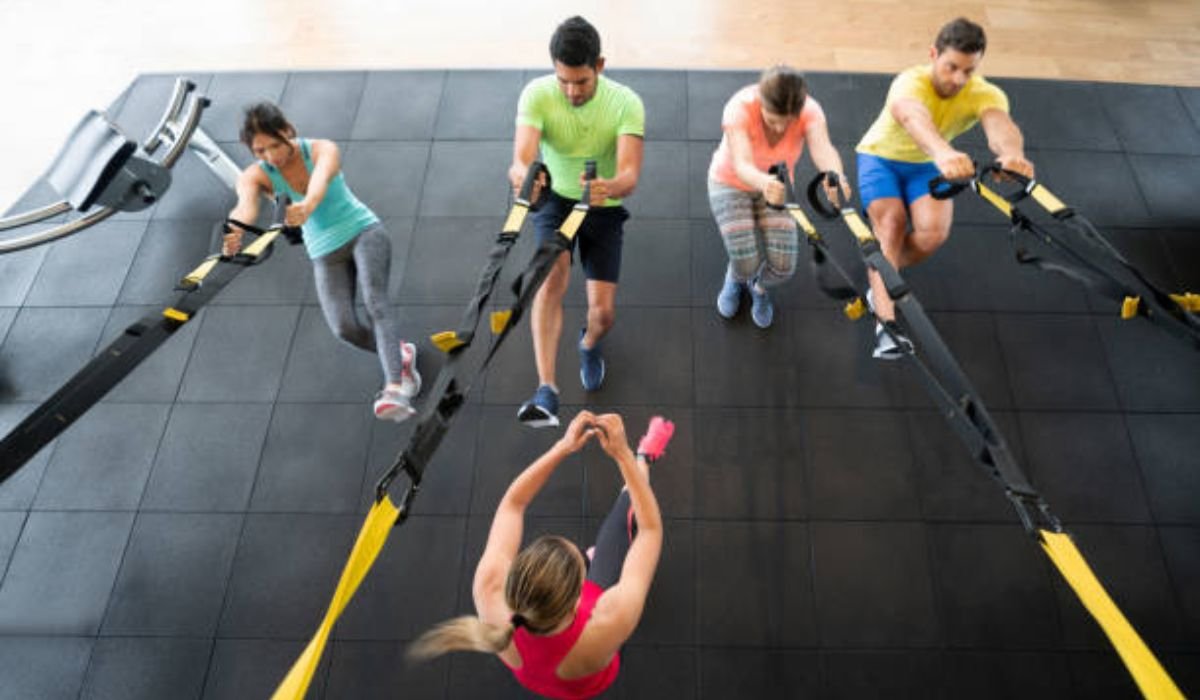
Functional training is an approach to fitness that emphasizes exercises designed to support and enhance your ability to perform everyday activities. Rather than isolating small muscle groups, this method focuses on compound movements that engage multiple muscles at once and closely mimic real-life actions. If you’re seeking a practical workout to improve your quality of life, personal training Reston, VA offers personalized programs that incorporate functional training for maximum effectiveness.
Unlike conventional workouts, which often focus on lifting weights in a fixed movement plane, functional training prepares your body for the physical demands you’ll encounter during daily tasks. These exercises often include pushing, pulling, hinging, squatting, and rotating—all crucial motions for everyday movement and injury prevention.
Enhanced Strength and Endurance
One of the core advantages of functional training is the symbiotic development of strength and endurance. Movements such as squats, lunges, or kettlebell swings do more than just tone isolated muscles; they prime your body for practical strength. This means that carrying heavy bags, lifting groceries, playing with kids, or even getting up from a chair becomes easier and less tiring.
Functional training seamlessly combines strength-building with cardiovascular challenges, making sessions efficient and well-rounded. Over time, this translates to increased stamina for long walks, household chores, or recreational activities, ensuring your fitness gains extend into all parts of your daily routine.
Improved Balance and Stability
Many functional exercises involve balance-challenging movements, which help bolster your body’s ability to stay stable on uneven surfaces and during unexpected movements. Training with exercises like single-leg squats, step-ups, or balance boards strengthens stabilizer muscles—often overlooked in traditional workouts.
As we age, good balance and core stability become even more essential. Enhanced balance contributes not only to athletic performance but also to the simple yet critical act of preventing falls. According to Mayo Clinic’s fitness recommendations, integrating balance exercises into your routine is key for all ages, and particularly important for seniors.
Injury Prevention
Functional training emphasizes proper movement mechanics and core stability—two crucial elements in safeguarding against injuries. By rehearsing natural movement patterns under controlled conditions, you train your muscles, ligaments, and joints to handle day-to-day stresses with greater resilience.
A strong core, for example, not only enhances athletic performance but also protects the spine and prevents lower back injuries. Similarly, strengthening the supporting muscle groups around major joints, such as the knees and shoulders, helps prevent common injuries like strains and sprains. This proactive approach readies your body for both expected and unexpected challenges.
Better Flexibility and Mobility
Unlike static strength routines, functional training often incorporates dynamic, full-body movements that promote flexibility and mobility gains. Exercises such as dynamic stretches, rotational lunges, and multi-plane reaches keep your joints supple and your muscles limber.
When your flexibility and mobility improve, you’ll notice greater ease of movement when bending, reaching, or twisting throughout the day. This increased range of motion supports independence, allowing you to carry out tasks and hobbies with greater comfort and confidence.
Support for Daily Function and Quality of Life
Functional training isn’t just for athletes or fitness enthusiasts—it’s a smart choice for anyone seeking more independence in daily living. Whether you aim to keep up with active grandchildren, carry groceries up the stairs, or recover from an injury, functional exercises offer tangible, real-world benefits.
Over time, you’ll notice that everyday tasks become less strenuous, your energy improves, and your risk of injury decreases. These cumulative effects contribute to better overall well-being, confidence, and enjoyment of the physical activities that make life rich and fulfilling. The CDC’s physical activity guidelines also highlight the lifelong value of functional fitness in promoting independence, especially as you age.
Incorporating Functional Training into Your Routine
Ready to enjoy these benefits? Here are some practical steps to get started integrating functional training into your weekly workout plan:
- Identify Key Movements: Focus on exercises that mimic the actions you perform most, such as bending, reaching, lifting, and twisting.
- Combine with Other Workouts: Balance your functional training with elements of cardio, flexibility, and traditional resistance exercises for comprehensive fitness.
- Prioritize Technique: Proper form is crucial. If possible, work with a qualified trainer to master technique and prevent injuries as you progress.
Examples of Functional Exercises
To get started, include some of these staple functional exercises in your regimen:
- Squats: Replicate sitting and standing to strengthen legs and core, while also supporting hip mobility.
- Lunges: Enhance leg strength and balance, which are essential for walking, stair climbing, and maintaining stability.
- Push-ups: Build upper body and core strength, which aids in tasks such as pushing, lifting, or carrying.
- Planks: Strengthen the trunk and improve posture, reducing the risk of back pain and boosting daily support.
Integrating these movements into a routine helps ensure that your workouts align with your everyday needs, supporting both safety and an active lifestyle.
Final Thoughts
Functional training offers far more than aesthetic benefits—it equips your body for real-life activities, enhances strength, balance, and mobility, and helps prevent injuries. By incorporating movements that mirror daily tasks, you build resilience, confidence, and independence, improving both physical performance and overall quality of life. Consistent practice, combined with proper technique and guidance from qualified trainers, ensures that the gains you make in the gym translate seamlessly into everyday activities, keeping you active, capable, and healthy for years to come.
YOU MAY ALSO LIKE: Lepbound: Could This Be the Turning Point in Your Weight Loss Journey?