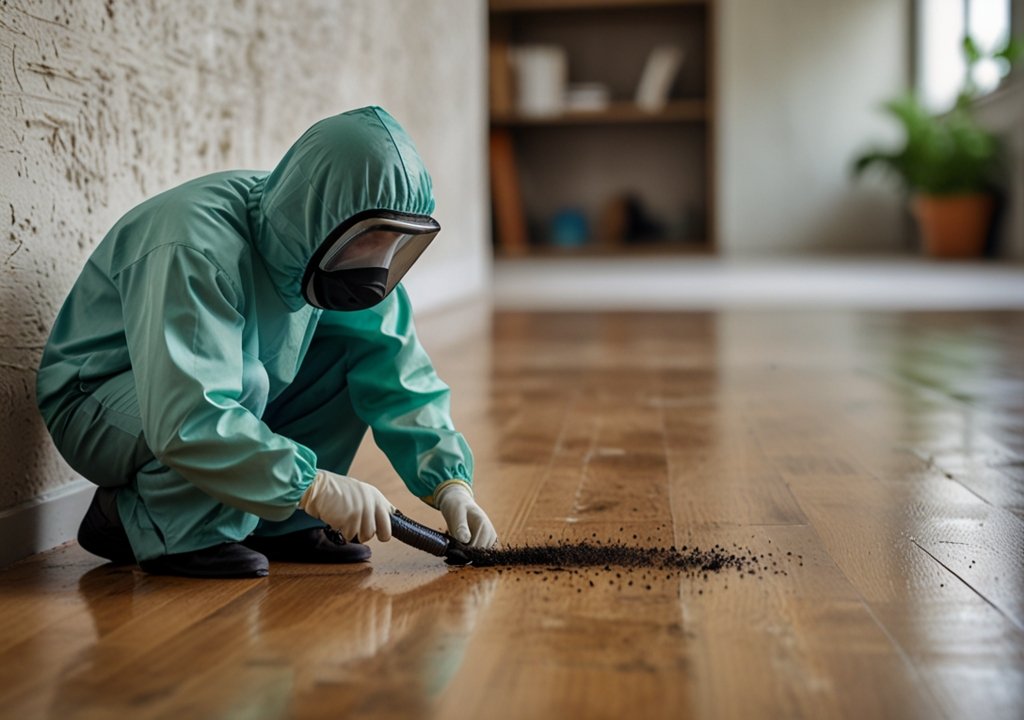






Microfiber cloths are highly valued in both homes and professional cleaning environments for their impressive ability to trap dust, dirt, and moisture without the need for harsh chemicals. Their ultra-fine fibers, which are much thinner than a human hair, make them exceptionally efficient at cleaning surfaces gently yet thoroughly. To ensure these cloths maintain their superior performance and longevity, specific care steps are crucial from the first use onward. To get the most out of your microfiber dust cloths, it’s essential to understand the proper cleaning and storage methods.
Proper care keeps microfiber cloths effective, odor-free, and long-lasting. Regular washing, drying, storage, and attention to signs of wear are key. Separating them from other laundry prevents lint. Proper maintenance enhances cleaning, sustainability, and reduces replacements. Follow tips to avoid mistakes and keep your microfiber tools in top condition.
Washing Microfiber Cloths
To maintain the optimal performance of microfiber cloths, it is essential to follow specific washing guidelines. First, separate microfiber from other fabrics, such as cotton, to prevent lint from adhering to the fibers, which can reduce their cleaning efficiency. Use a fragrance-free, mild laundry detergent to avoid leaving sticky residues that could clog the fibers. It is crucial to avoid bleach and fabric softeners, as these can damage the polyester and polyamide composition of the clothes. Additionally, always wash microfiber cloths in cold or warm water to prevent shrinkage or weakening of the fibers. Key practices include washing microfiber in a separate load to prevent lint accumulation, using gentle, unscented detergents, avoiding harsh chemicals such as bleach and fabric softener, and sticking to warm or cold wash cycles to ensure long-lasting quality.
Drying Microfiber Cloths
Drying practices are crucial for maintaining microfiber cloths, with air drying being the preferred method to prevent heat damage to fibers. In cases where a dryer is used, selecting the lowest heat setting is essential to avoid high temperatures that can not only damage the material but also cause lint attraction and loss of static charge. Avoiding dryer sheets is crucial, as they can leave a residue on the clothes. Best practices include hanging microfiber cloths on a line or rack for air drying, and if tumble drying is necessary, using the lowest heat setting without dryer sheets.
Storing Microfiber Cloths
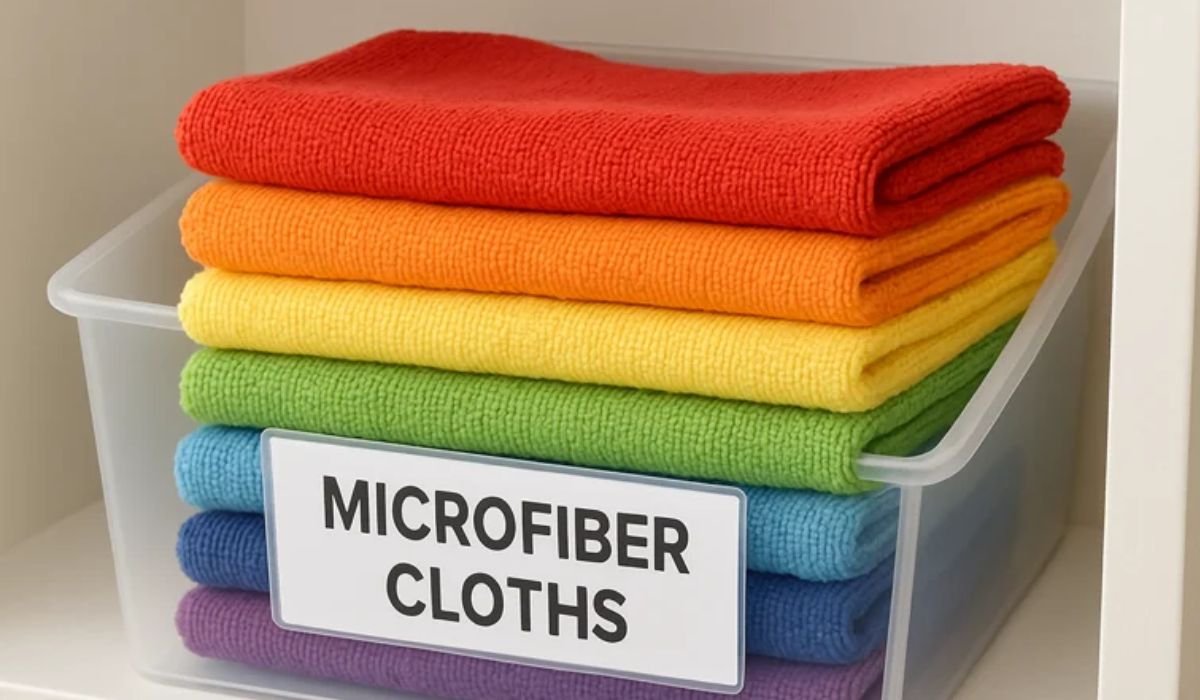
Microfiber cloths maintain their highest quality when stored in environments free from dirt, moisture, and other types of textiles. It is essential to keep these clothes in a clean, dry bin or drawer, as this helps prevent the growth of mildew and odors, and protects the delicate fibers from acquiring dust or lint from nearby fabrics. It is advisable to avoid mixing microfiber cloths with cotton towels or clothing, since this could lead to unwanted lint adhering to the microfiber. To ensure optimal preservation, store microfiber cloths in clean, dust-free locations, preferably within designated containers or bags to avoid any risk of contamination.
READ ALSO: Fashionisk .com: Where AI Becomes Your Personal Stylist (And the Planet’s Best Friend)
Recognizing When to Replace Microfiber Cloths
Microfiber cloths, despite careful maintenance, have a finite lifespan and will eventually need to be replaced. Key indicators signaling this need include a decrease in absorbency, whereby liquids either pool on the surface or are smeared rather than soaked up, along with visible signs of deterioration such as frayed edges or thinning fabric. Additionally, if unpleasant odors persist after washing, it indicates a permanent buildup within the fibers, further warranting the need for a new cloth. To maintain optimal cleaning performance, it is crucial to regularly monitor these signs: loss of absorbency, visible damage, and unpleasant smells all indicate that it’s time to replace microfiber cloths.
Common Mistakes to Avoid with Microfiber Cloths
Common care mistakes significantly reduce the lifespan and effectiveness of microfiber cloths. Key errors include overloading washing machines, which causes excessive friction that can lead to fraying and ineffective cleaning. Additionally, using strong chemicals or harsh detergents can erode or clog the microfibers, while neglecting regular washing allows dirt and oils to accumulate, resulting in odors and diminished performance. To maintain microfiber cloths, avoid overstuffing the washer, use gentle detergents, and ensure cloths are washed after each use to eliminate oils and debris.
Conclusion
Proper care extends the life of your microfiber cleaning tools and ensures they perform optimally, saving you time and money in the long run. Regular cleaning using gentle methods, careful drying, sensible storage, and vigilance for signs of wear are all essential. By adopting these habits, you can ensure that your microfiber cloths remain ultra-effective and long-lasting.
YOU MAY ALSO LIKE: Luuxly.com: Where Luxury Meets Affordability, Authenticity, and Ethics