





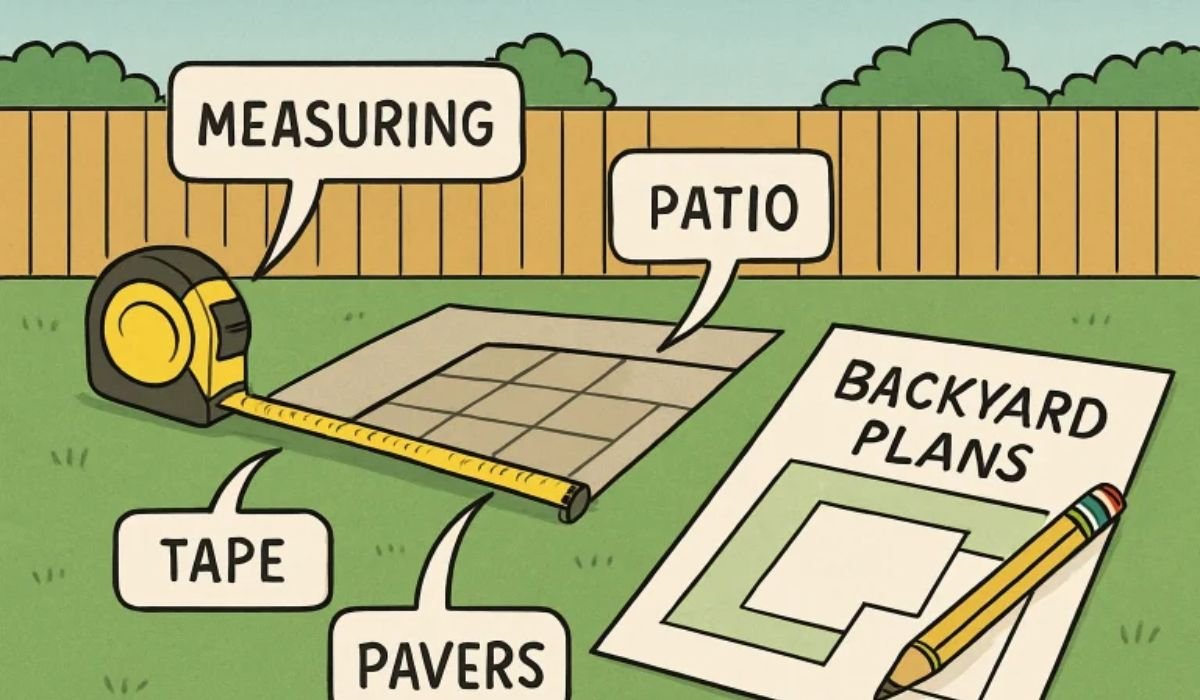
Hardscaping is a wise investment that can redefine your home’s outdoor aesthetic and usability. However, to avoid costly mistakes or delays, it’s essential to approach the process thoughtfully from start to finish. It all starts with understanding the scope, purpose, and costs associated with your hardscape vision. Whether you’re dreaming of a new patio, retaining wall, or intricate walkway, this guide will help you navigate each stage smoothly, from the initial sketch to the final installation. If you’re searching for specialized guidance or assistance with paver installation Minneapolis, MN, working with professionals from the region will ensure your project’s unique needs are fully addressed.
Proper planning and precise budgeting are essential for your outdoor transformation to stay on track and fulfill your expectations. Adhering to local codes, selecting materials that withstand regional weather patterns, and making sustainable choices can pave the way for a successful project that adds value for years to come.
Assess Your Space
Start your project by carefully analyzing your yard or outdoor area. Note the existing layout, changes in elevation, sun exposure, drainage issues, and any landscaping assets you want to keep. This early assessment is vital in crafting a functional design and avoiding unforeseen obstacles down the line. For instance, areas that retain water after rain may require enhanced drainage or special paver types, while slopes could necessitate retaining walls and terracing for stability and safety.
Set a Realistic Budget
Creating a detailed budget is crucial. Hardscape projects can vary in price depending on their size, material, and labor requirements. While the national average falls between $5 and $25 per square foot, it’s essential to note that pricing in specific regions, including labor costs, often varies. Be sure to build in an extra 5-8% contingency fund for unexpected issues, such as soil problems or weather delays. Track all expected expenses, including demolition, base preparation, material delivery, and finishing touches. For further tips on keeping your landscape project within budget, visit Better Homes & Gardens.
Choose the Right Materials
The material you select sets the tone, determines the durability, and dictates the maintenance requirements for your space. Concrete offers versatility and cost savings, while natural stone often brings a sophisticated appearance at a premium price. Pavers provide excellent versatility and can be easier to repair or replace if damaged. Always factor in your climate: in freeze-thaw regions, installation techniques and material types must withstand seasonal expansion and contraction. Discuss pros, cons, and alternatives with your installer to make an informed decision. More advice can be found at This Old House.
READ ALSO: Creative Strategies for Sustainable Landscaping Design
Hire Professional Help
While smaller projects may be DIY-friendly, most medium- to large-scale hardscape installations benefit significantly from professional oversight. Seek at least three bids to compare costs and consult portfolios to ensure a match with your design vision. Reputable contractors bring experience in design, code compliance, and effective project management. Check references, licensing, insurance, and online reviews. Trusted professionals also help you navigate the necessary permits, emphasizing the importance of structural integrity and local compliance.
Obtain Necessary Permits
Even modest hardscape projects, such as patios or retaining walls, may require building permits to comply with municipal regulations. Requirements differ by locale and the nature of the installation. Failing to secure permits can result in legal issues and costly remediation after the fact. It’s wise to work closely with your contractor or local planning office to ensure all needed documentation and approvals are secured before breaking ground.
Plan for Maintenance
Continued care ensures your investment remains attractive and functional. Maintenance needs differ by material: pavers may require periodic resealing and weed control, while natural stone might need professional cleaning to prevent staining and moss build-up. Include planned maintenance—such as pressure washing, joint sand replacement, and any required repairs—in your budget from the start, so you’re not caught off guard by future costs.
Consider Phased Implementation
If the overall project budget exceeds your immediate resources, consider implementing the plan in logical, manageable stages. For example, you might begin with the patio and walkways and add accents like outdoor kitchens or fire pits later. This stepwise approach minimizes stress while allowing you to enjoy your new space sooner and adapt your plans as your lifestyle or budget changes. More phased project guidance can be found through resources like The Washington Post.
Incorporate Sustainable Practices
Modern hardscape design increasingly prioritizes sustainability. Select permeable pavers, gravel, or open-joint pavers to encourage water infiltration and minimize runoff. Locally sourced or recycled materials shrink your carbon footprint while supporting nearby businesses. Thoughtful layouts can also help mitigate heat accumulation and blend seamlessly with the surrounding ecosystem, making your outdoor haven both eco-friendly and visually appealing.
Thoughtful planning, diligent budgeting, and a phased approach can transform your hardscape dreams into a durable and attractive reality. Whether you’re creating a show-stopping patio, an inviting pathway, or a practical driveway, following these steps will help protect your investment and maximize your enjoyment for years to come.
YOU MAY ALSO LIKE: Transforming Your Yard: The Benefits of Balanced Lawn and Shrub Care