





Early childhood education is far more than just preparation for elementary school—it is the bedrock on which a child’s lifelong learning and development are built. Nurturing cognitive, social, and emotional growth during these formative years fosters ready, resilient learners who can thrive throughout every stage of their academic journey and into adulthood. For families searching for a supportive environment, finding the right program, such as an after school program Northridge, CA, ensures children have access to resources that enhance and extend learning beyond the traditional classroom.
A nurturing early education forms the essential building blocks of critical thinking, adaptability, and emotional intelligence. By investing in high-quality early childhood education, we empower children with the skills and attitudes necessary for success in an increasingly complex world. When caregivers and parents come together in the early years, children experience richer, more effective educational growth. High-quality environments create equitable opportunities, opening doors for every child regardless of background.
Cognitive Development
Research indicates that up to 90% of a child’s brain development occurs by age five, underscoring the significant impact of formative educational experiences during these critical years. Between ages one and three, children’s brains are exceptionally receptive to language, problem-solving, and social-emotional cues. Quality early education programs tap into this potential through activities and guided exploration that stimulate curiosity and lay a strong foundation for lifelong academic achievement.
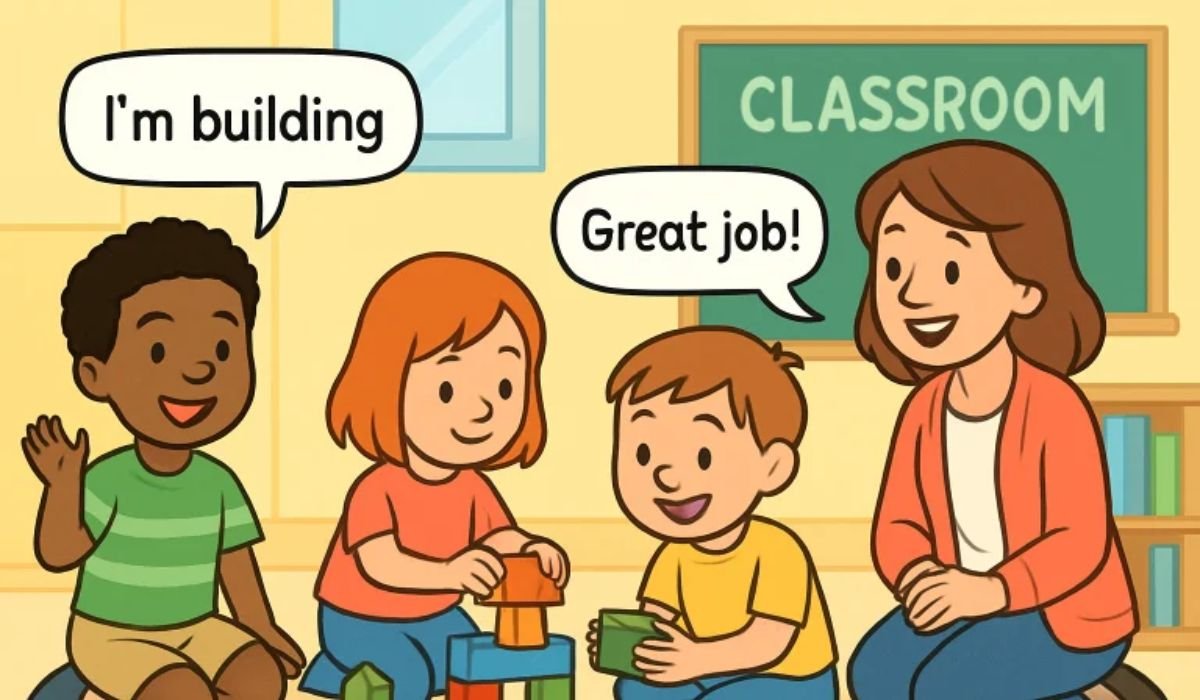
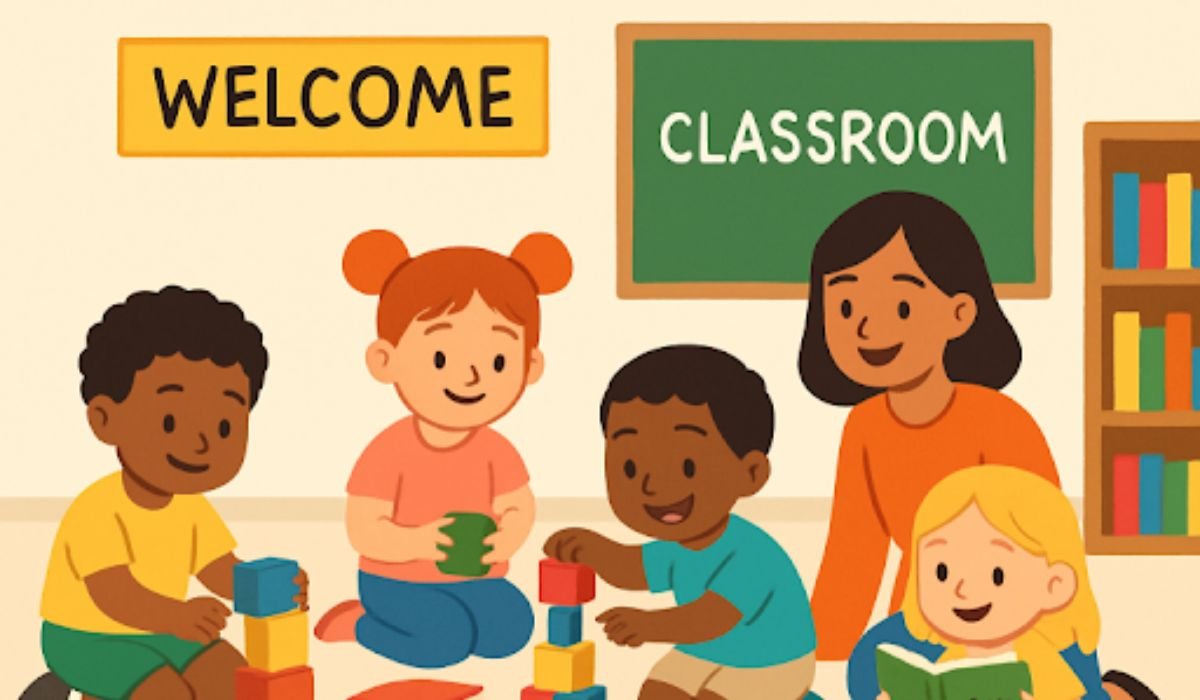
Targeted activities, such as storytelling, building blocks, and creative puzzles, encourage children to ask questions, think critically, and engage in problem-solving. Educators trained in early childhood development understand how to harness a child’s natural desire to explore, helping them make sense of the world around them and creating neural pathways vital for lifelong learning.
READ ALSO: Empowering Young Minds: Innovative Approaches to STEM Education
Social and Emotional Growth
Equally as important as cognitive skills, social and emotional growth is a cornerstone of effective early education. Collaborative group settings allow children to engage in meaningful social exchanges, develop empathy, and learn how to resolve conflicts with guidance from attentive teachers. Early educators model and explicitly teach emotional regulation, ensuring children acquire the vocabulary and confidence to express themselves constructively.
Developing social skills early makes it easier for children to establish friendships, gain confidence, and feel secure in new environments. According to the New York Times, teaching emotional intelligence in early childhood has long-term benefits for academic engagement and mental health. These patterns persist throughout life, influencing personal well-being and career success.
Play-Based Learning
Play-based learning combines fun and education, allowing children to naturally absorb academic concepts while engaging in hands-on, imaginative activities. Structured play—such as role-playing, building, drawing, or experimenting—not only keeps children interested but also deepens their understanding of subject matter. By fostering a sense of discovery, children learn to investigate and solve problems independently.
Children’s creativity and imagination flourish when they are free to experiment and create. For instance, playing with blocks teaches math and engineering concepts, while collaborative games develop teamwork and communication skills. Play-based learning is widely recognized as a powerful tool for nurturing resilience, self-motivation, and adaptability, which are essential assets for future academic and personal growth.
Parental Involvement
The role of parents in early childhood education is crucial and cannot be overstated. Beyond the classroom, parents act as children’s first teachers, setting examples and encouraging curiosity about the world. Simple daily routines—such as sharing stories, asking questions, exploring nature, or even involving children in household tasks—help cultivate an appreciation for learning that endures long after early education.
Consistent engagement, such as reading together each evening or discussing the day’s activities, has a profound cumulative effect. When parents and teachers partner effectively, the bridge between home and early education becomes seamless. This collaboration ensures that children benefit from a holistic and cohesive learning environment that evolves in response to their needs and interests.
Equity in Early Education
While the benefits of early education are clear, not all children enjoy equal access. Historical inequities, such as socioeconomic barriers, language differences, and disabilities, disproportionately affect access to quality preschool programs. Children from marginalized backgrounds often face gaps in resources and support, making it harder for them to enter school on an equal footing.
Addressing these challenges requires systemic commitment to breaking down barriers and providing support for families in need. Expanding access to early education for all leads to a more just society and ensures that every child receives the opportunity to thrive, regardless of their background. Resources and initiatives from organizations like the George Lucas Educational Foundation provide valuable insights for parents and educators seeking to promote inclusivity and equity.
Conclusion
Early education is the starting point for a lifetime of exploration and achievement. The impact of high-quality early learning extends far beyond childhood, affecting every aspect of a child’s cognitive, social, and emotional development. By investing in equitable, engaging, and collaborative early education experiences, families, educators, and communities help children realize their full potential, setting them on a path to lifelong success.
YOU MAY ALSO LIKE: Growing Minds Through Play: How Fun Fuels Early Learning